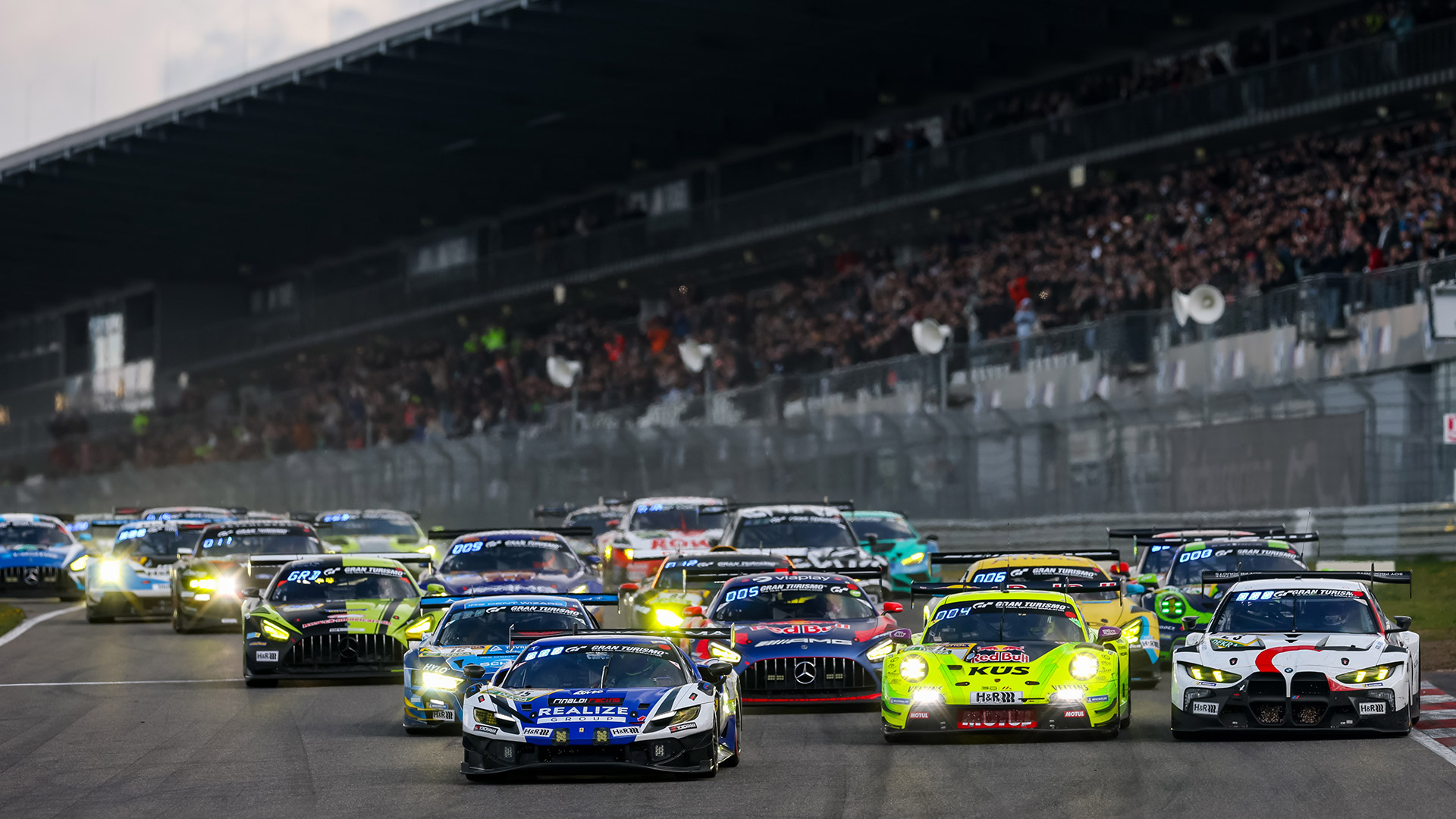

One of the many curiosities of the 24 Hours of Nürburgring concerns refuelling
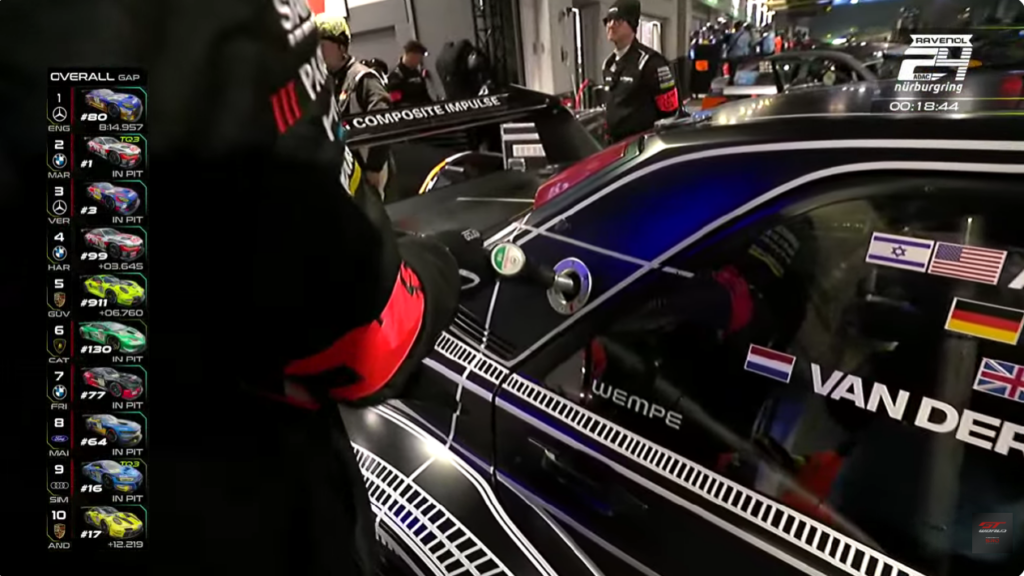
No sophisticated engineering fuel rigs like in the FIA World Endurance Championship or “hidden” refuelling systems inside the garages as in Formula One. At the 24 Hours of Nürburgring, cars refuel… at an actual fuel pump, just like at an ordinary roadside gas station. Fuel and pumps are supplied directly by the organisation, unlike in other racing categories where each team has its own supplier and refuelling equipment. There is, however, one significant difference compared to everyday road refuelling, and it concerns both the price and, above all, the payment system.
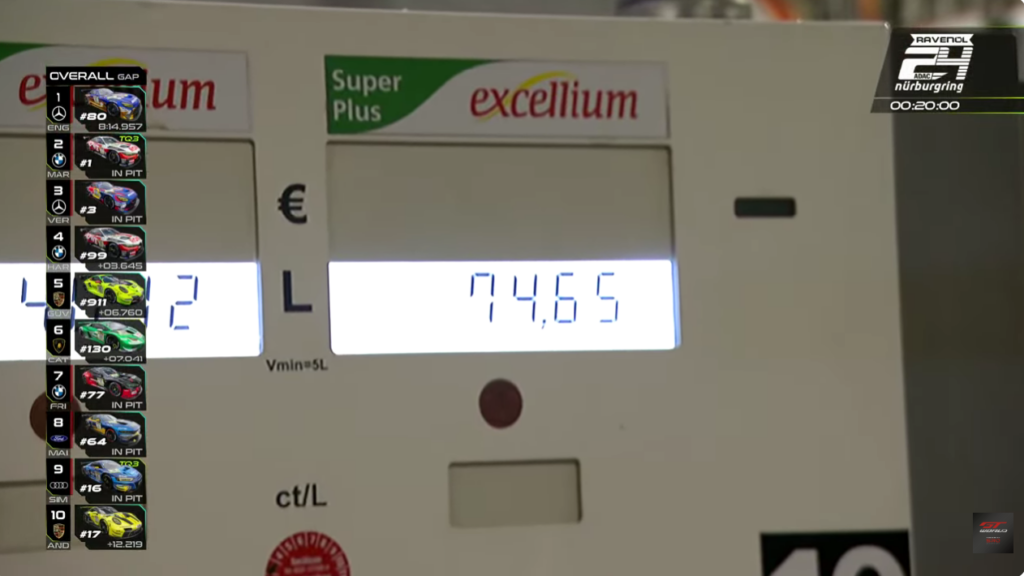
Teams do not pay per litre as they would at a normal service station. Instead, each team pays a fuel fee as part of the entry fee for every car entered. Then, every time a car refuels, the organisation records exactly how many litres of fuel have been added and calculates the final balance at the end of the weekend. If a team has consumed more fuel than expected, it must pay an additional amount on top of the original entry fee contribution. If, on the contrary, the team has consumed less than estimated, the organisation refunds part of the money — essentially a final adjustment.
The Pit Stop Rule
Another peculiarity, again linked to the fuel pumps, concerns pit stops during the race. Teams do not perform ultra-fast pit stops in an attempt to save as much time as possible, because the minimum stop time is determined by race control according to the number of laps completed on track: more laps mean higher fuel consumption and therefore more time allocated for the pit stop. The reasoning behind the rule is to avoid disadvantaging any team.
With multiple fuel pumps available, it would be almost impossible to calibrate the fuel flow of each one in exactly the same way, with the risk that some pumps might be faster and others slower. Moreover, this system standardizes a very delicate moment such as refuelling across extremely different cars — there are as many as 23 categories competing — thereby increasing safety. Speaking of fuel, it is estimated that a GT3 car (classified in the “SP9” category at the 24 Hours of Nürburgring) consumes between 3,000 and 4,000 litres to complete the race. With the special sustainable racing fuel used costing around €3 per litre, that amounts to approximately €9,000–12,000 worth of fuel.
FOR ALL OTHER CURIOSITIES READ OUR COMPLETE GUIDE
Photos: GtWorld
